Common Toxic to Cats Plants: A Guide to Pet-Safe Houseplant Choices
When I first started filling my home with houseplants, I thought I was doing something good. More green meant cleaner air, a calmer space, and a nicer backdrop for video calls. What I didn't realize was that some of the most popular houseplants are actually toxic to cats. My cat, a curious tabby named Olive, made this clear by nibbling on a peace lily leaf one afternoon. I spent the next hour on the phone with a vet, learning more about plant toxicity than I had in years of gardening.
That experience changed how I choose plants. It also made me understand that knowledge about toxic to cats plants is not alarmism. It is practical safety. Many common houseplants can cause drooling, vomiting, or worse if a cat decides to taste them. And cats, as any owner knows, will taste almost anything.
Why Cats Chew on Plants
Cats are obligate carnivores, but they still explore the world with their mouths. Young cats especially may chew leaves out of curiosity or boredom. Some experts think cats eat grass to help with digestion or to expel hairballs, but houseplants are not grass. When a cat bites into a leaf from a toxic species, the effects can range from mild irritation to serious organ damage.
It is not just about the leaves. Pollen, roots, and even the water in a vase can carry toxins. Lilies are a prime example. A cat brushing against lily pollen and then grooming itself can suffer kidney failure. I have seen this happen to a friend's cat, and it was terrifying. The takeaway is that you cannot rely on your cat to avoid plants. You have to choose plants that are safe or keep dangerous ones out of reach.
Common Toxic to Cats Plants You Should Know
The list of plants that are toxic to cats is long, but some stand out because they are so common in homes and gardens. Here are a few that I have encountered often in my own plant collection and in conversations with other plant owners.
Lilies
True lilies, including Easter lilies, tiger lilies, and daylilies, are extremely dangerous. Even a tiny amount of pollen or a single leaf can cause acute kidney failure in cats. I no longer keep any lilies in my home, even in cut flower arrangements. The risk is too high.
Sago Palm
The sago palm is not a true palm but a cycad. Every part of it is toxic, especially the seeds. If a cat eats even a few seeds, it can cause liver failure. I had a sago palm in my living room for a year before I learned this. It went to a friend who does not have pets.
Aloe Vera
Aloe vera is a common succulent that many people keep for its medicinal gel. But it contains saponins and anthraquinones that can cause vomiting, diarrhea, and lethargy in cats. I use aloe for sunburns but keep the plant on a high shelf where Olive cannot reach it.
Heartleaf Philodendron
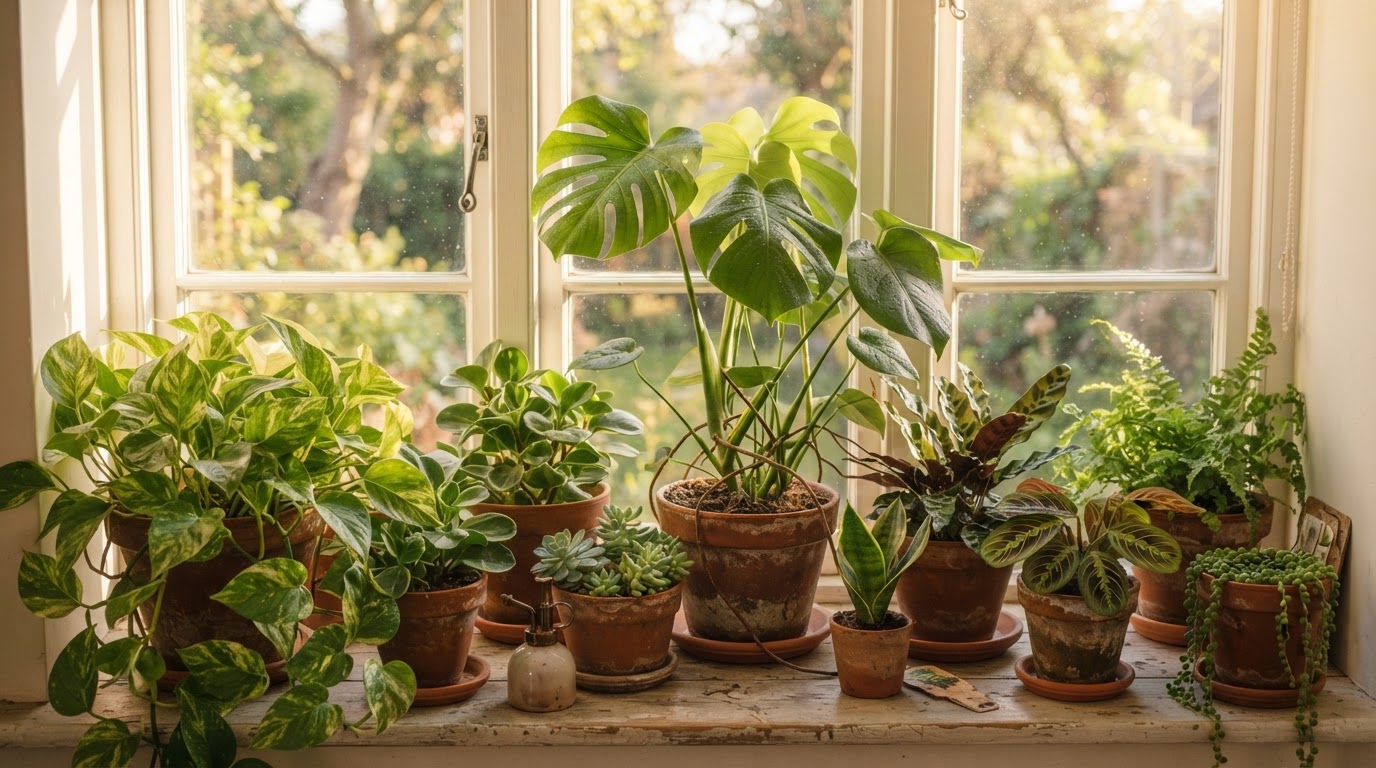
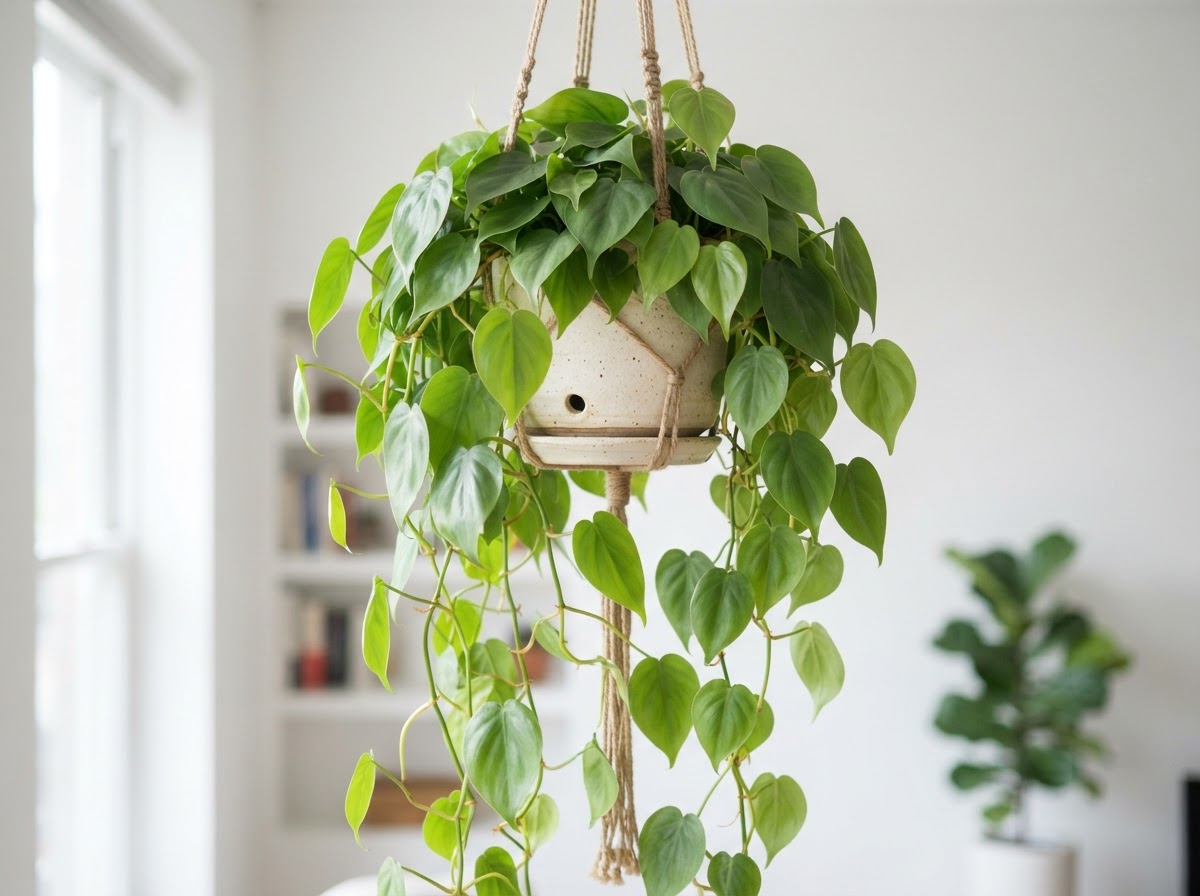
Heartleaf philodendron is a popular trailing plant, but it contains calcium oxalate crystals that can cause intense burning and swelling in the mouth and throat. Cats that chew on it may drool excessively or have trouble swallowing. I have seen a cat paw at its mouth after biting a philodendron leaf, and it is not a pleasant sight.
Peace Lily
Despite its name, the peace lily is not a true lily and is less toxic than true lilies, but it still causes oral irritation and vomiting. The white flowers and dark leaves make it attractive, but I now keep mine in a room my cat cannot enter.
Pothos
Pothos, sometimes called devil's ivy, is another common trailing plant with calcium oxalate crystals. It is mildly toxic but can still cause drooling and vomiting. I have found that pothos is one of the most likely plants for cats to nibble, perhaps because the leaves are soft.
Jade Plant
Jade plants are succulents that are often passed down as heirlooms. They can cause vomiting, lack of coordination, and even a slow heart rate in cats. I keep mine on a high shelf, but I have heard stories of cats knocking them down out of curiosity.
Snake Plant
Snake plants are nearly indestructible, which makes them a favorite for beginners. They contain saponins that can cause nausea and diarrhea. I have one in my bedroom, but it is on a stand that my cat cannot climb.
Dieffenbachia
Dieffenbachia, also known as dumb cane, contains calcium oxalate crystals that can cause severe burning and swelling. It can also cause temporary loss of speech if chewed, hence the name. This plant is best avoided in homes with cats.
Tulips
Tulips are common garden bulbs that are toxic to cats. The bulbs contain the highest concentration of toxins, but the leaves and flowers are also dangerous. If you have a cat that goes outdoors, it is worth checking your garden for tulips.
Azaleas
Azaleas are flowering shrubs that contain grayanotoxins. Ingesting even a few leaves can cause vomiting, diarrhea, and in severe cases, coma. I have seen azaleas planted in many yards, and they are beautiful, but they are not safe for curious cats.
Cyclamen
Cyclamen are popular winter-flowering plants. The tubers are especially toxic and can cause heart rhythm abnormalities. I used to buy cyclamen for holiday decor, but I stopped once I learned the risk.
Caladium
Caladiums are grown for their colorful leaves. They contain calcium oxalate crystals and can cause intense oral irritation. They are common in summer gardens and as indoor plants.
Monstera Deliciosa
Monstera deliciosa, the iconic split-leaf plant, is toxic to cats. It contains calcium oxalate crystals that can cause pain and swelling. I have a monstera in my living room, but it is in a spot where my cat cannot reach the leaves.
Ivy
English ivy and other true ivies can cause vomiting and diarrhea. Some ivies also contain saponins that can cause skin irritation. I have seen ivy grown as a trailing plant in many homes, but it is not a safe choice for cat owners.
Safe Alternatives for Cat Owners
If you want greenery without the worry, there are many plants that are safe for cats. Spider plants are a favorite of mine. They are non-toxic and cats often enjoy playing with their arching leaves. Areca palm and parlor palm are both safe and add a tropical feel to a room. They are also easy to care for, which is a bonus.
Poinsettias get a bad reputation, but they are only mildly toxic and usually cause no more than stomach upset. The myth that they are deadly is exaggerated. Still, I keep them out of reach because I do not want my cat to have any reaction at all.
One plant that surprises people is marijuana. It is toxic to cats. If you grow it at home, you need to keep it away from your pets. Ingesting the leaves can cause coordination problems, low blood pressure, and even coma in cats.

What to Do If Your Cat Eats a Toxic Plant
If you suspect your cat has eaten part of a toxic plant, call your veterinarian immediately. Do not wait for symptoms to appear. Bring a sample of the plant with you if you can. Many poison control centers for pets are available by phone, and some vets have online resources. The quicker you act, the better the outcome.
I keep a list of toxic plants on my phone and a photo of each plant in my home. That way, if something happens, I can identify the plant quickly. It is a small step that can save time in an emergency.
Final Thoughts
Living with plants and cats is possible, but it requires awareness. I have not given up my love for houseplants. I have just become more careful. I choose plants that are safe when I can, and I place any toxic to cats plants out of reach. I also watch my cat's behavior and keep her entertained with cat grass and toys so she is less tempted by the greenery.
The more you learn about the plants in your home, the better you can protect your pets. That knowledge is not fear. It is the kind of practical care that makes a home safe for everyone in it.